Improve Your Google Maps Visibility: A Comprehensive Guide
Welcome to our guide on boosting your visibility on Google Maps! At Clover Creative Group, we're dedicated to helping businesses thrive online, and today, we're excited to share our expertise on how you can show up prominently on Google Maps. This comprehensive guide will equip you with actionable strategies to outrank your competitors and attract more local customers. Let's dive in!
Understanding the Power of Google Maps
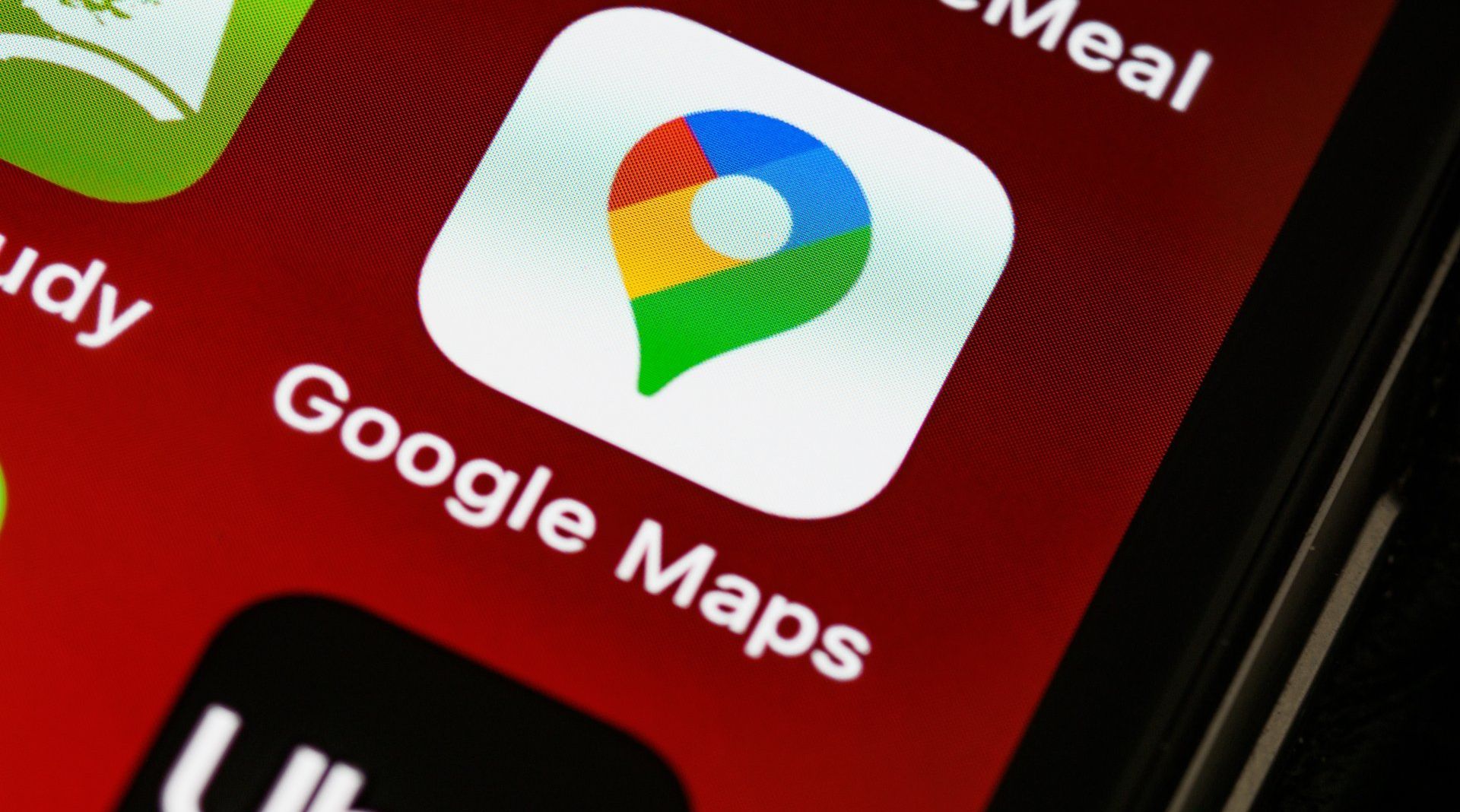
Google Maps isn't just a navigation tool; it's a potent marketing platform. Millions of users rely on Google Maps every day to find nearby businesses, services, and attractions. By optimizing your presence on Google Maps, you'll tap into a massive audience actively seeking what you offer.
Claim and Verify Your Google Business Profile
The foundation of a strong Google Maps presence is your Google My Business (GMB) listing. This listing provides essential information about your business, such as your name, address, phone number, and operating hours. To claim and verify your listing:
- Log in to Your Google Account: Access your Google account and navigate to Google Business Profile.
- Provide Accurate Information: Fill in all fields accurately and completely. Ensure your business name, address, and phone number (NAP) are consistent across all online platforms.
- Verify Your Listing: Google will send you a verification code, usually via mail or phone. Once verified, you gain access to manage your listing.
Optimize Your Google Business Profile
Now that your business profile is claimed and verified, it's time to optimize it for maximum visibility:
1. Compelling Business Description
Craft a concise yet engaging business description that showcases your unique value proposition. Highlight your specialties, products, and services, using relevant keywords naturally.
2. High-Quality Images
Upload high-resolution images that represent your business. Include photos of your storefront, products, team, and interior. These images help users visualize your business and build trust.
3. Accurate Categories
Select relevant categories for your business. Be specific, as this helps Google understand what you offer and matches your business with relevant search queries.
Leverage Local Keywords
Keyword research is crucial for local SEO success. Identify keywords that potential customers might use to find businesses like yours in your area. Consider both broad and long-tail keywords.
For example:
- "Best Italian restaurant in [Your City]"
- "Top-rated hair salon near me"
Sprinkle these keywords naturally throughout your GMB listing, website content, and other online profiles.
Build High-Quality Backlinks
Backlinks from reputable websites signal to Google that your business is trustworthy and relevant. Seek opportunities to earn backlinks from local directories, industry associations, and news sources.
Engaging in guest posting and collaborating with other local businesses can also help you build a strong backlink profile.

Encourage Customer Reviews
Positive reviews not only inspire trust but also impact your search rankings. Encourage satisfied customers to leave reviews on your GMB listing. Respond promptly to both positive and negative reviews to show your commitment to customer satisfaction.
Create a Location Page on Your Website
To further enhance your local SEO, consider creating a dedicated location page on your website. This page should include:
- Detailed business information (address, phone number, operating hours)
- Local keywords
- High-quality images of your business
- Customer testimonials
Conclusion
By following the strategies outlined in this guide, you'll be well on your way to dominating Google Maps rankings. Remember, consistent efforts and continuous optimization are key to maintaining a strong online presence. If you're ready to make your business stand out on Google Maps, put these tactics into action today and watch your local visibility soar!
Media Contact
Company Name: Clover Creative Group LLC
Contact Person: Shawn Dixon
Email: Send Email
Phone: 603-677-7032
Address: 234 Camp Rd.
City: Plainfield
State: New Hampshire
Country: United States
Website: clovercreativegroup.com
Did you find this article helpful? Please consider sharing.