Top Strategies for Local SEO for Small Business: Boost Your Online Visibility
Wondering how to dominate local search results and bring more customers through your doors?
Effective local SEO for small business is your answer. In this guide, we’ll navigate the key steps to optimize your online presence and ensure your small business ranks where it matters most—right in front of your local audience.
Key Takeaways
- Local SEO is crucial for small businesses to increase their online visibility and attract customers in their immediate area, with effective strategies including Google Business Profile optimization, local keyword targeting, and maintaining accurate business listings.
- Claiming and optimizing a Google Business Profile, conducting thorough local keyword research, crafting a local link building strategy, and ensuring a mobile-friendly, navigable website are essential for enhancing small businesses’ presence in local search results.
- Regularly tracking local SEO performance using analytics tools, aligning social media efforts with local SEO strategies, and actively engaging with the local community can boost a business’s local rankings and online reputation.
Unlocking the Potential of Local SEO for Your Small Business
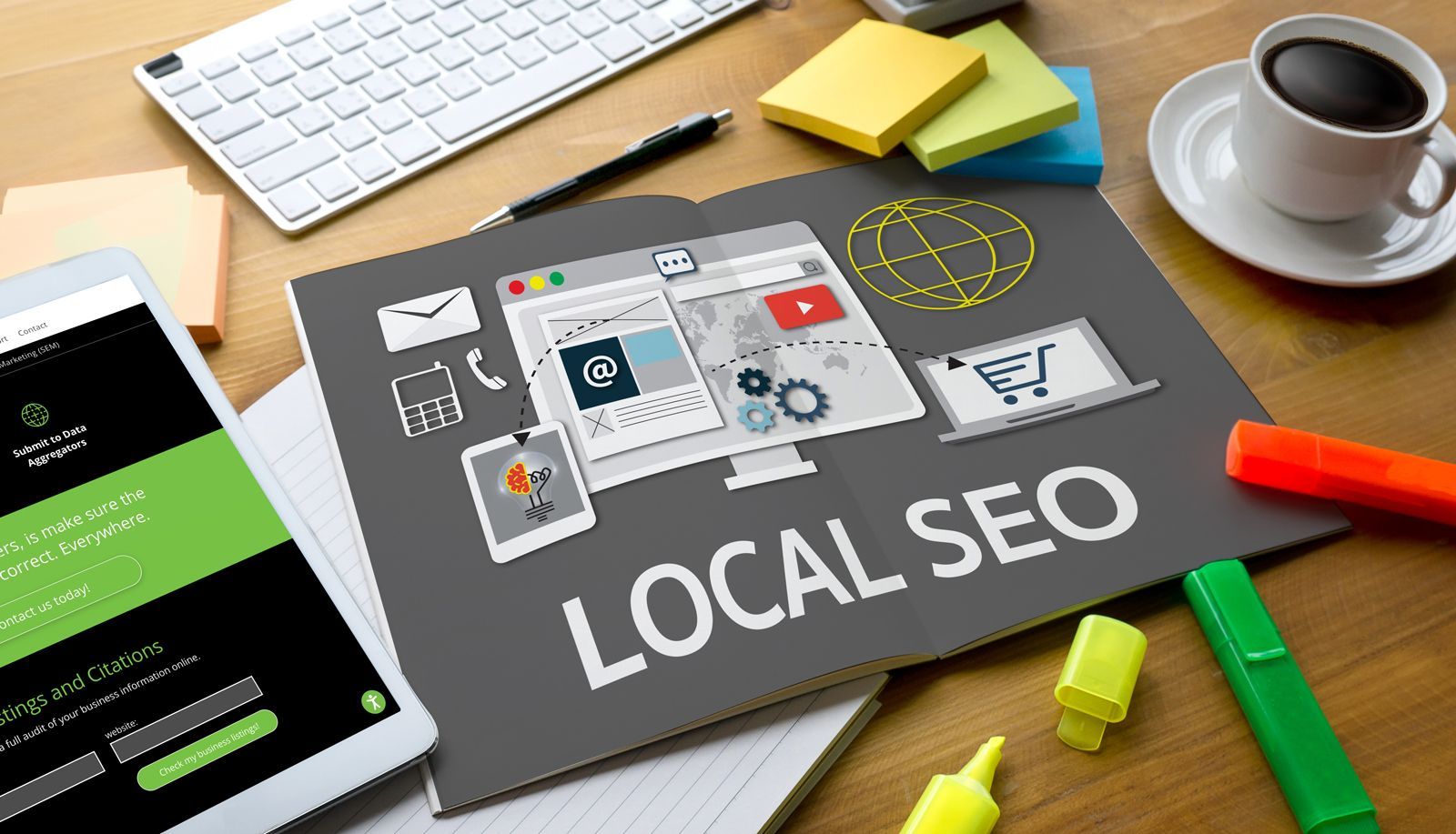
The power of local SEO for small businesses lies in its ability to help them connect with customers in their immediate area. By optimizing your online presence for local searches, your business can pop up when local customers search for relevant products or services. It’s like having a local billboard, but instead of being on the side of the highway, it’s on the pages of the world’s most frequented search engines.
Investing time and effort into local SEO can lead to significant returns. In fact, a staggering 87% of consumers use Google to evaluate local businesses. By focusing on local SEO, you can ensure your business is found by potential customers who are ready to make a purchase, driving revenue and enhancing your local visibility.
So, ready to unlock the potential of local SEO for your small business?
Mastering Google Business Profile for Enhanced Local Search Presence
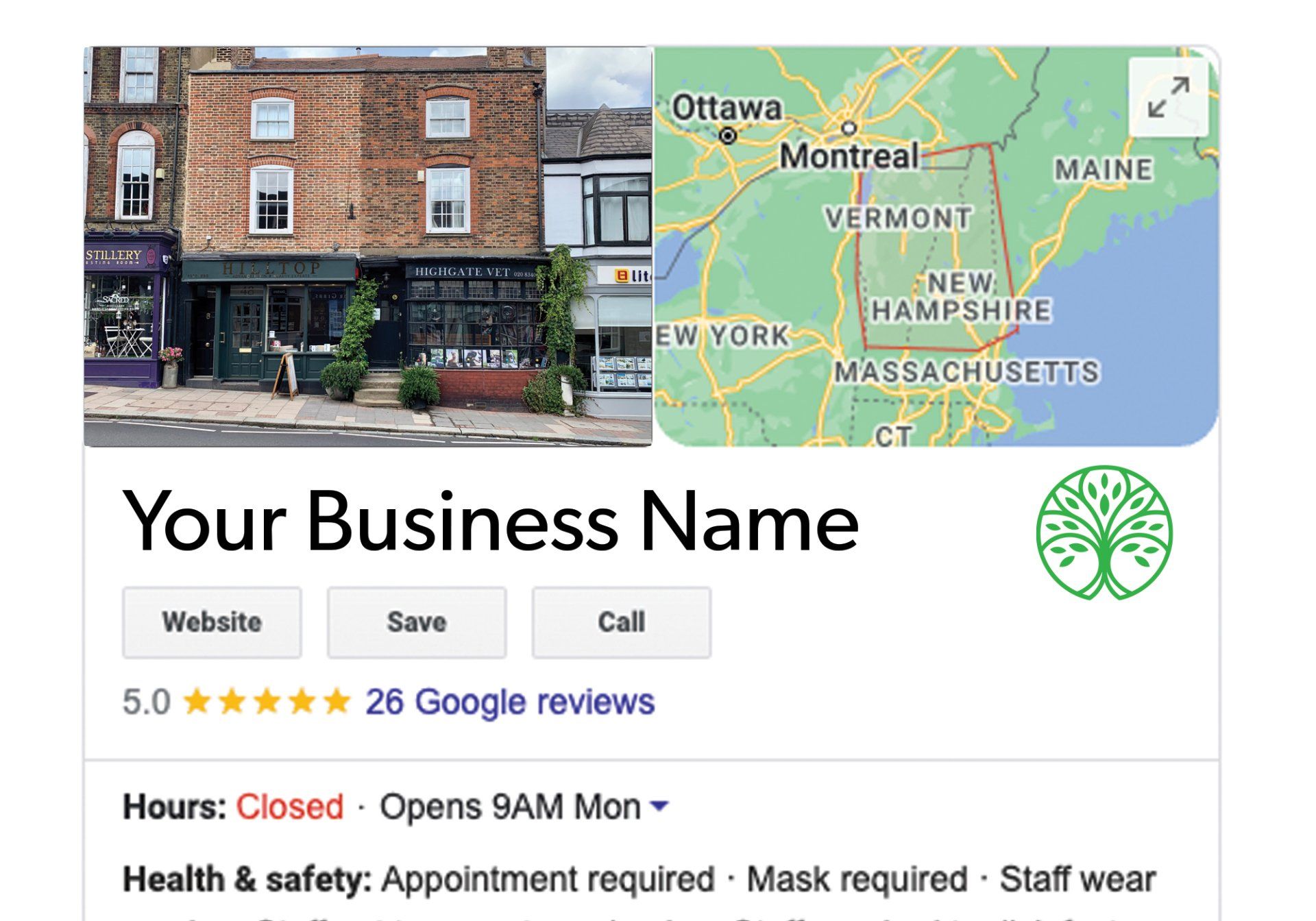
To make the most of local SEO, it’s essential to have a solid understanding of Google Business Profile. This platform significantly affects how your local business appears on Google Search, Maps, and Shopping, and optimizing it can enhance your visibility on Google’s local search results.
From claiming and verifying your Google Business Profile listing to encouraging customer reviews and engagement, let’s dive into ways to master Google Business Profile for your small business.
Claiming and Verifying Your Listing
Before you can start optimizing your Google Business Profile, you first need to claim and verify your listing. This process can be done using various methods like:
- phone
- text
- video
The method you choose will depend on your business type and region.
Once verified, your business can start reaping the benefits of enhanced local SEO, like improved visibility and higher rankings.
Optimizing for Relevance and Accuracy
Once your business listing is verified, the next step is to ensure your business information is accurate and up-to-date. This includes:
- Your business’s name
- Address
- Phone number
- Website URL
- Additional details like business description and hours of operation.
Ensuring your local listing information is accurate is crucial for matching with relevant searches and ensuring visibility in search results. So, make sure to regularly check and update your information across various platforms to maintain relevance and accuracy in local search.
Encouraging Customer Reviews and Engagement
Customer reviews can significantly impact your local SEO rankings. Not only do they add social proof and boost trustworthiness, but they also enhance your local search visibility. Encourage your customers to leave reviews across multiple platforms like:
- your own website
- social media
- third-party review sites
Remember, maintaining a flow of new, authentic reviews is crucial for keeping your business relevant and trusted in local SEO.
Local Keywords: Your Secret Weapon in Local SEO

Local keywords are the secret weapon in your local SEO arsenal. These are search terms used by consumers in specific areas to find products or services. Incorporating these keywords into your website and social media content can help you attract the right audience and improve your local rankings. By focusing on local SEO strategies and following local SEO tips, you can boost your presence in local search results and gain a competitive edge in your market.
Let’s uncover how to conduct effective keyword research and incorporate these valuable terms into your content strategy.
Conducting Effective Keyword Research
Effective keyword research is key to a successful local SEO strategy. By using keyword research tools like Semrush’s Keyword Magic Tool, you can uncover local search trends and identify high-volume local keywords that resonate with your target audience. Remember, it’s not just about finding the most popular keywords, but also about finding the ones that are most relevant to your business and have lower competition to facilitate easier ranking on local search results.
Incorporating Keywords into Your Content Strategy
Once you’ve identified your local keywords, it’s time to sprinkle them into your content. This means integrating these keywords naturally into your website content and blogs, ensuring readability while avoiding keyword stuffing.
Also, remember to use these keywords in your meta descriptions, providing clear, locality-focused summaries that encourage higher click-through rates from search engine results pages.
Navigating the World of Local Listings and Citations

Local listings and citations are another crucial aspect of local SEO. These online mentions of your business enhance your online visibility and affirm the authenticity of your business in its local area.
From building a consistent online presence to leveraging local directories for visibility, let’s navigate the world of local listings and citations.
Building a Consistent Online Presence
When it comes to local listings, consistency is key. This means ensuring your business’s name, address, and phone number (NAP) are represented uniformly across all platforms and location pages. By maintaining this consistency, you enable local search engines to match your information efficiently, building trust and generating traffic.
Leveraging Local Directories for Visibility
Local directories are an effective way to increase your business’s exposure. By submitting your business’s details to industry-specific or geo-specific directories, you can enhance your local online citations and build valuable backlinks to your website. This can improve your chances of being found quickly and easily by both people and search engines.
Crafting a Local Link Building Strategy

Link building is a crucial aspect of local SEO. But rather than focusing on the quantity of links, local SEO emphasizes the quality of backlinks. From partnerships with local organizations to creating shareable local content, let’s explore how to craft a successful local link building strategy.
Partnering with Local Organizations and Events
Partnering with local organizations and participating in community events can significantly enhance your local SEO efforts. By hosting local business events and actively participating in local communities, you can:
- Increase your online citations and backlinks
- Connect personally with local customers
- Effectively market your business
- Increase brand visibility
Creating Shareable Local Content
Another effective link building strategy is creating easily linkable, locally-focused content. This could include comprehensive guides, detailed infographics, or content that caters to your local audience’s needs.
By crafting content that resonates with your local audience and encourages engagement and sharing, you can increase backlinks and enhance your local search rankings.

Enhancing User Experience for Local Searchers
User experience is another crucial aspect of local SEO. Your website must be easy to navigate, mobile-friendly, and contain information that is relevant and easy to understand. From prioritizing mobile responsiveness to streamlining navigation for local information, let’s delve into how to enhance the user experience for local searchers, keeping in mind the local SEO ranking factors.
Prioritizing Mobile Responsiveness
Mobile search and local SEO are intertwined. Given that a majority of Google searches are performed on mobile devices, it’s clear that mobile-friendliness is a cornerstone of local SEO strategy and search engine optimization.
By implementing a responsive design, you can ensure that your content displays correctly on all devices, providing a consistent user experience.
Streamlining Navigation for Local Information
Ensuring that your website is easy to navigate is crucial for improving user experience and local search rankings. A logical site structure, consistency across different pages, and mobile-friendly navigation can help users find local information more efficiently.
By making it easy for users to find what they’re looking for, you can increase user engagement and ultimately improve your local SEO rankings.

Local SEO Analytics and Performance Tracking
Finally, it’s essential to regularly track your local SEO efforts and monitor your progress. By using tools like Google Analytics and Google Search Console, you can gather data and insights that can help you optimize your local ad campaigns and make data-driven decisions.
Let’s dive into how to set up and use these tools, and how to monitor your rankings and local SEO progress.
Setting Up and Using Google Analytics
Google Analytics is a powerful tool that can provide valuable insights into user behavior. By setting up Google Analytics for your local storefront, you can track page views, user engagement, and interaction with store information. These insights can aid in optimizing your local ad campaigns and enhancing your overall local SEO strategy.
Monitoring Rankings and Local SEO Progress
Monitoring your local search rankings and keyword performance is crucial for evaluating the effectiveness of your SEO efforts. Tools like Ahrefs can help with backlink checking and analyzing your local SEO link-building efforts. By regularly tracking these metrics, you can make data-driven decisions and optimize your SEO strategies accordingly.

Social Media Integration with Local SEO
Social media plays an integral role in local SEO. By aligning your social profiles with your local SEO goals and actively engaging with the local community online, you can increase your brand visibility and gain the trust of your local customers.
Let’s explore how to make the most of social media in your local SEO efforts.
Aligning Social Profiles with Local SEO Goals
Optimizing your social media profiles for local SEO involves:
- Incorporating relevant local keywords into your profiles and posts
- Using these keywords in your profile information
- Ensuring a consistent local SEO strategy across all your social media platforms
By doing so, you can significantly improve your visibility and support your overall SEO strategy.
Engaging with the Local Community Online
Actively participating in local forums, community groups, and social media platforms is a great way to engage with your local audience. This can help increase your brand visibility and build a strong online reputation.
From promptly responding to comments and questions to hosting local events and promoting them online, there are numerous ways to engage with your local community and improve your local SEO.
Summary
In conclusion, local SEO is an effective and cost-efficient strategy for small businesses to improve their online visibility, reach their local customers, and drive traffic to their site. From optimizing your Google Business Profile and utilizing local keywords to building high-quality backlinks and enhancing user experience, these strategies can significantly improve your local search rankings. Remember, consistent effort and regular tracking of your progress are key to achieving and maintaining local SEO success. So, are you ready to unlock the potential of local SEO for your small business?
Frequently Asked Questions
What is local SEO, and why is it important for small businesses?
Local SEO is important for small businesses as it helps them target local customers and improve their online visibility, ultimately driving more traffic and revenue.
How can I optimize my Google Business Profile for local SEO?
To optimize your Google Business Profile for local SEO, claim and verify your listing, keep your business information accurate and updated, and engage with customer reviews. This will help boost your local search visibility and attract more customers.
How can I use local keywords in my local SEO strategy?
To use local keywords in your local SEO strategy, conduct keyword research to find relevant local keywords and integrate them into your website content, meta descriptions, and social media profiles and posts. This will help improve your local search visibility and attract local customers.
How can I improve the user experience for local searchers?
 Button
Improving the user experience for local searchers involves ensuring your website is easy to navigate, mobile-friendly, and has relevant, easy-to-understand content. These measures can enhance user engagement and satisfaction.
How can I track my local SEO efforts and monitor my progress?
ButtonTo track your local SEO efforts and monitor your progress, use tools like Google Analytics and Google Search Console, which can provide insights into user behavior and help optimize your local ad campaigns. Additionally, regularly monitor your local search rankings and keyword performance to evaluate the effectiveness of your SEO efforts.
Media Contact
Company Name: Clover Creative Group LLC
Contact Person: Shawn Dixon
Email: Send Email
Phone: 603-677-7032
Address: 234 Camp Rd.
City: Plainfield
State: New Hampshire
Country: United States
Website: clovercreativegroup.com
Did you find this article helpful? Please consider sharing.